
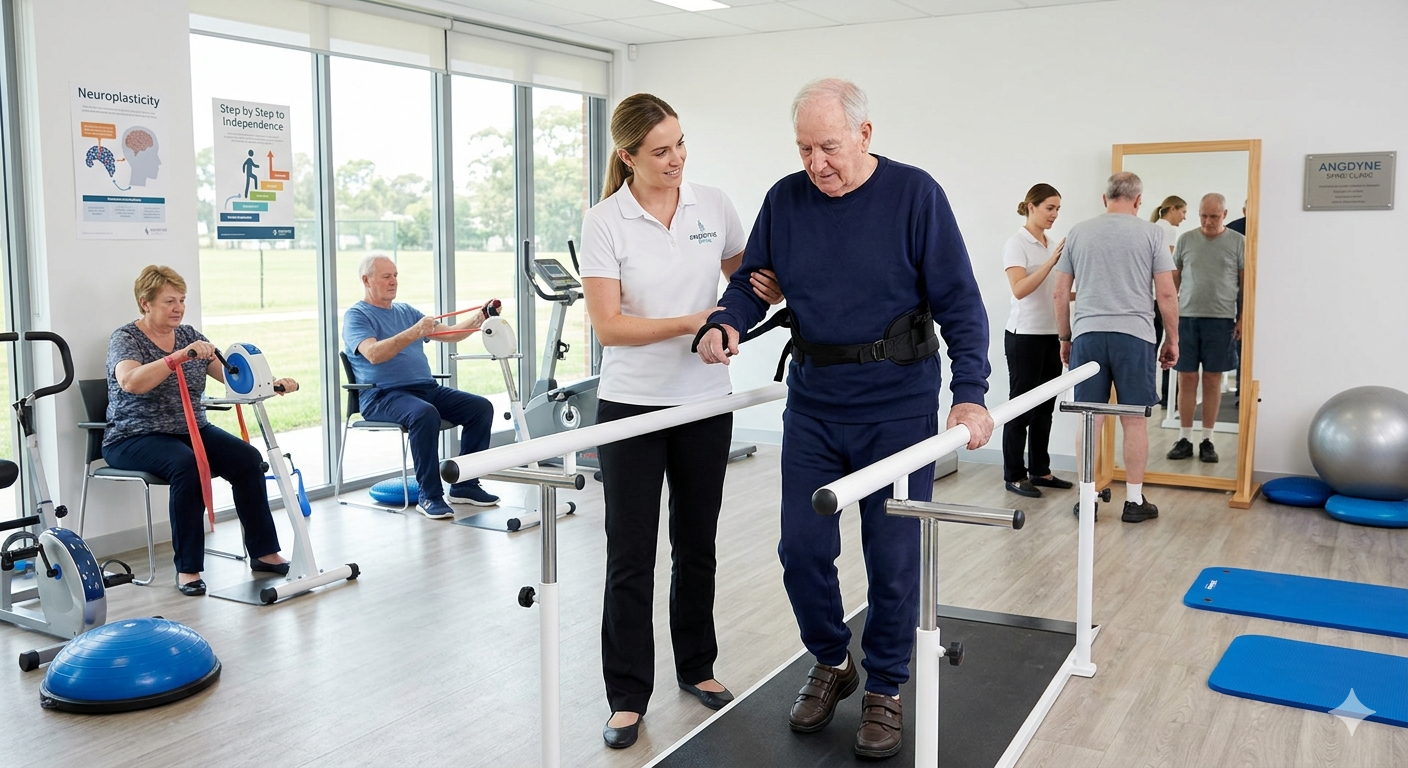
How Neuro Physiotherapy Helps in Stroke Recovery and Neurological Rehabilitation
A sudden stroke or neurological condition can change life in an instant. Movements that once felt automatic, like walking, holding a cup, or even speaking, may suddenly become difficult. For many patients and their families, the journey that follows can feel overwhelming.
But recovery is possible. With the right support and consistent care, the body and brain can relearn, adapt, and improve over time. This is where neuro physiotherapy plays a crucial role.
At Anodyne Spine Clinic, neuro physiotherapy is not just about exercises. It’s about helping individuals regain independence, rebuild confidence, and return to a more active life.
What Is Neuro Physiotherapy?
Neuro physiotherapy is a specialized branch of physiotherapy that focuses on treating people with neurological conditions. These conditions affect the brain, spinal cord, and nerves, which in turn impact movement, coordination, balance, and muscle control.
Common conditions treated include:
- Stroke
- Traumatic brain injury
- Parkinson’s disease
- Multiple sclerosis
- Spinal cord injuries
- Paralysis
Unlike general physiotherapy, neuro physiotherapy works closely with how the brain communicates with the body. The goal is to retrain movement patterns and help the nervous system recover or adapt.
Understanding Stroke and Its Impact
A stroke happens when blood flow to a part of the brain is interrupted. This lack of oxygen can damage brain cells, affecting how the body functions.
Depending on the area of the brain affected, a person may experience:
- Weakness or paralysis on one side of the body
- Difficulty walking or balancing
- Loss of coordination
- Speech and swallowing issues
- Muscle stiffness or tightness
Recovery varies from person to person. Some may regain function quickly, while others need long-term rehabilitation. What makes a difference is starting the right therapy at the right time.
The Role of Neuro Physiotherapy in Stroke Recovery
Neuro physiotherapy helps the brain and body reconnect. It uses targeted exercises and techniques to improve movement and function.
Here’s how it supports recovery:
1. Relearning Movement
After a stroke, the brain needs to relearn how to control muscles. Therapists guide patients through specific movements to rebuild these connections.
2. Improving Muscle Strength
Weak muscles can limit mobility. Strengthening exercises help patients regain control and stability.
3. Restoring Balance and Coordination
Many stroke patients struggle with balance. Therapy focuses on controlled movements to improve coordination and reduce the risk of falls.
4. Reducing Muscle Stiffness
Muscle tightness or spasticity is common after neurological injury. Neuro physiotherapy helps relax muscles and improve flexibility.
5. Encouraging Independence
The ultimate goal is to help patients perform daily activities on their own, whether it’s walking, dressing, or eating.
How Neuro Physiotherapy Works
Every patient’s journey is different, which is why treatment is always personalized.
A typical program may include:
- Guided exercises to improve strength and mobility
- Balance training to prevent falls
- Gait training to improve walking patterns
- Functional training for daily activities
- Stretching techniques to reduce stiffness
Therapists also focus on repetition and consistency. The brain learns through practice, and over time, these repeated movements help build new neural pathways.
The Science Behind Recovery: Neuroplasticity
One of the most encouraging aspects of neurological recovery is something called neuroplasticity.
This means the brain has the ability to reorganize itself and form new connections. Even if part of the brain is damaged, other areas can learn to take over its functions.
Neuro physiotherapy taps into this ability by:
- Repeating specific movements
- Stimulating affected areas
- Encouraging active participation
With time and effort, these new pathways help restore lost functions.
Benefits of Neuro Physiotherapy
1. Improved Mobility
Patients gradually regain the ability to move more freely and confidently.
2. Better Balance and Coordination
This reduces the risk of falls and improves overall stability.
3. Increased Strength
Stronger muscles support better movement and endurance.
4. Enhanced Independence
Patients can perform daily tasks with less assistance.
5. Better Quality of Life
Reduced limitations lead to improved mental and emotional well-being.
Conditions That Benefit from Neuro Physiotherapy
While stroke recovery is one of the most common reasons, neuro physiotherapy also helps with:
- Brain injuries
- Parkinson’s disease
- Multiple sclerosis
- Spinal cord injuries
- Neuropathy
- Post-surgical neurological recovery
Each condition requires a slightly different approach, but the goal remains the same: restoring function and improving life quality.
What to Expect at Anodyne Spine Clinic
At Anodyne Spine, care begins with understanding your condition in detail.
Initial Assessment
A thorough evaluation helps identify:
- Movement limitations
- Muscle strength
- Balance and coordination issues
- Functional abilities
Personalized Treatment Plan
Based on your needs, a customized therapy plan is created. This ensures you get targeted care rather than a one-size-fits-all approach.
Integrated Approach
Neuro physiotherapy is often combined with:
- Chiropractic care
- Manual therapy
- Posture correction techniques
This combination helps improve overall recovery outcomes.
The Importance of Early Intervention
Starting neuro physiotherapy early can significantly improve recovery outcomes.
Why timing matters:
- Prevents muscle stiffness and joint issues
- Encourages faster neural adaptation
- Reduces complications
- Builds confidence early in recovery
That said, it’s never too late to start. Even patients who begin therapy later can still experience meaningful improvements.
The Emotional Side of Recovery
Recovery is not just physical. It also affects mental and emotional well-being.
Patients may feel:
- Frustrated with slow progress
- Anxious about independence
- Uncertain about the future
A good rehabilitation program supports both physical and emotional recovery. Encouragement, patience, and small milestones play a big role in staying motivated.
Tips for Supporting Recovery at Home
Along with therapy sessions, small daily efforts can make a big difference:
- Stay consistent with prescribed exercises
- Maintain a safe and supportive environment
- Focus on small improvements
- Stay patient with the process
- Keep communication open with your therapist
Recovery is a journey, not a race.
Why Choose Anodyne Spine Clinic?
Anodyne Spine offers a patient-focused approach to neurological rehabilitation.
You get:
- Experienced physiotherapists
- Personalized care plans
- Advanced treatment techniques
- A supportive and comfortable environment
The focus is always on helping you regain control, confidence, and independence.
Final Thoughts
A neurological condition like stroke can feel life-changing, but it doesn’t have to define your future.
With the help of neuro physiotherapy, recovery becomes a step-by-step process of rebuilding strength, restoring movement, and regaining independence.
Progress may be gradual, but every small improvement matters. With the right care and consistency, a better quality of life is always within reach.
FAQs – Neuro Physiotherapy
1. What is neuro physiotherapy used for?
It is used to treat conditions affecting the brain, spinal cord, and nerves, helping improve movement, balance, and coordination.
2. How soon should therapy start after a stroke?
Ideally, therapy should begin as early as possible, once the patient is medically stable.
3. Can neuro physiotherapy fully cure stroke effects?
Recovery varies. While complete recovery may not always be possible, significant improvement can be achieved with consistent therapy.
4. How long does recovery take?
It depends on the severity of the condition and individual response to therapy. Some recover in months, while others may take longer.
5. Is neuro physiotherapy painful?
No, it is generally gentle and designed according to the patient’s comfort level.
6. Can elderly patients benefit from this therapy?
Yes, neuro physiotherapy is highly beneficial for elderly patients recovering from stroke or neurological conditions.